May Your Days Be Merry and Bright!




Anna invited me to sit down for an interview about managing personalities. Here's a clip from our conversation:
By the way, there's a whole chapter on managing personalities in "Work Happy: What Great Bosses Know."
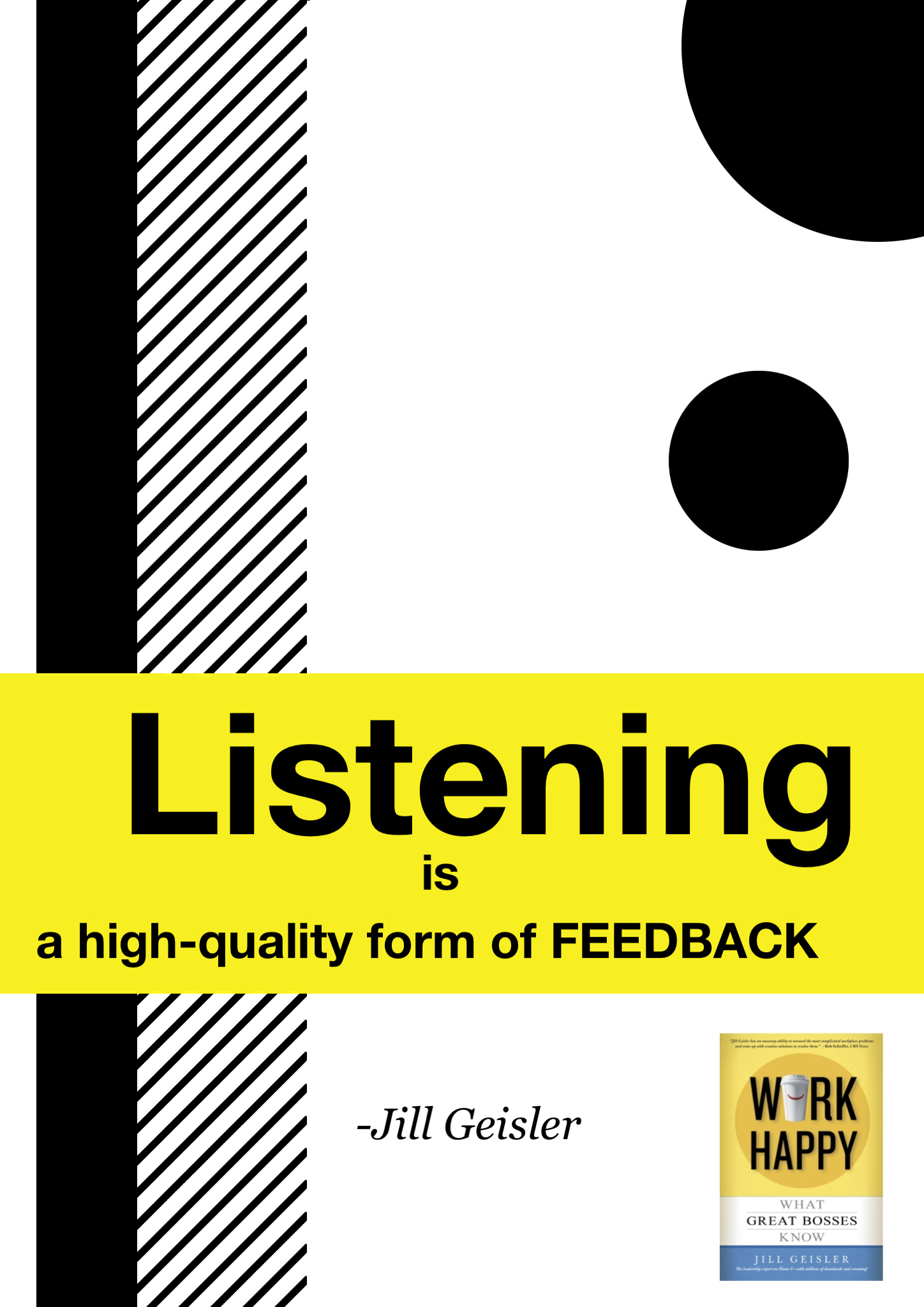 I love teaching about feedback, because it is integral to effective leadership and to performance management. We usually think of feedback as the messages managers share, positive and negative, and the way they are delivered.
That's true, but it's only part of the feedback story. I think listening is an especially powerful form of feedback. How does a person feel when he or she is truly listened to? When someone in power takes time to take in the thoughts and feelings of others? It's an important way to say "You matter." "Your ideas are valued." "I understand."
And here's the bonus: Listening costs us nothing, but can have a great return on investment.
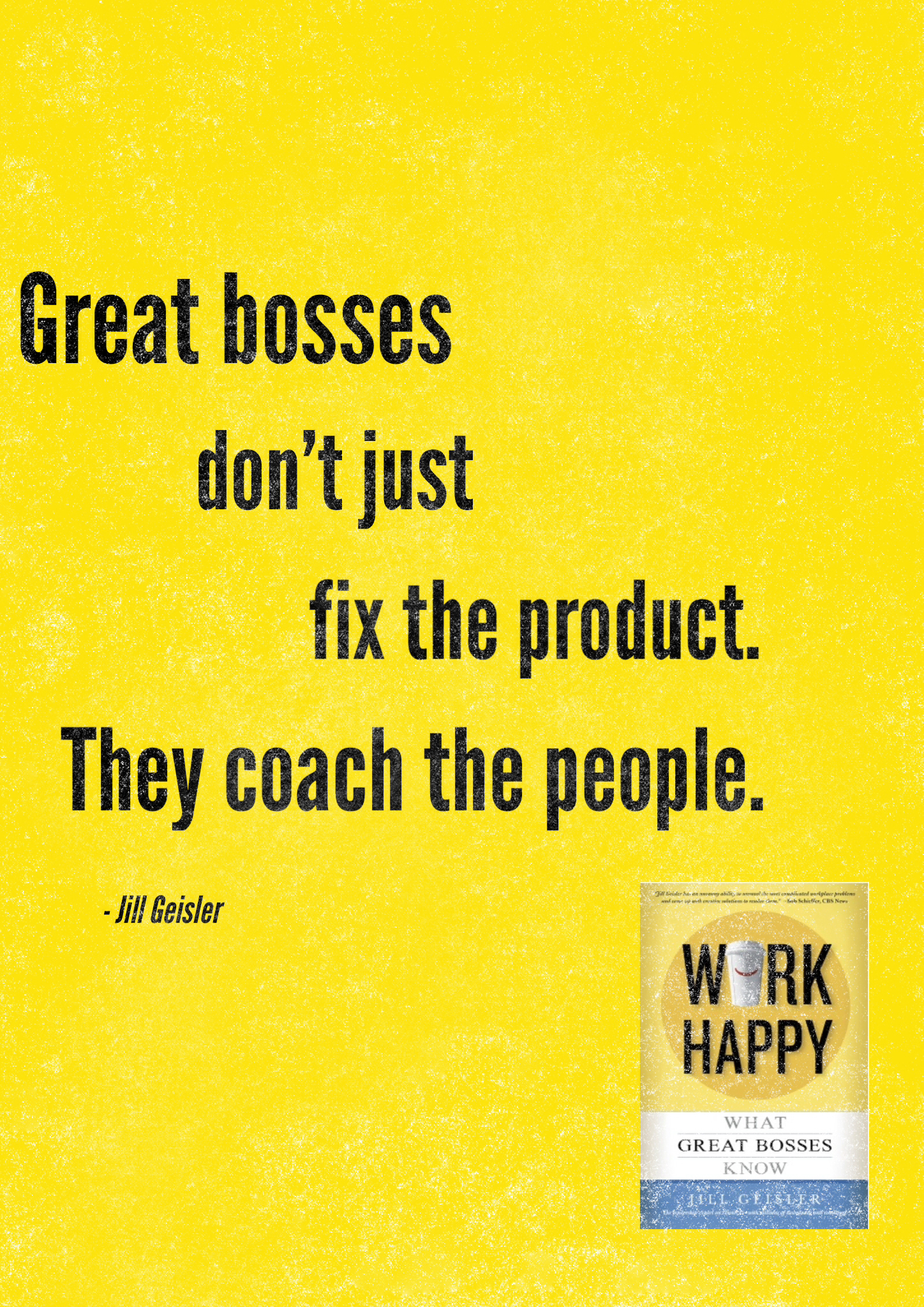 It's a manager's responsibility to keep the quality of products and services high. One of the biggest mistakes managers make is to do it by "fixing" the work of others. They jump in and change things, or even do the work themselves. They do it because it's a quick solution.
Here's the problem, though. "Fixing" is a temporary solution to an ongoing issue. Your employee or staff isn't really learning when you "fix." If anything, they are learning to rely on you to upgrade things to your satisfaction, while not growing in their skills.
That is why it's so important to "coach" instead of "fix."
When you coach people, you teach them the skills they need to improve. You analyze the work that needs to be done. You break it down into its key parts. You even name those parts and describe what quality looks like and how it's achieved.
It takes a little time to coach people, but it's well worth the effort, because it's a long-term solution rather than a band-aid.
Want to learn more about coaching? Here's a link to one my Poynter columns with plenty of tips.
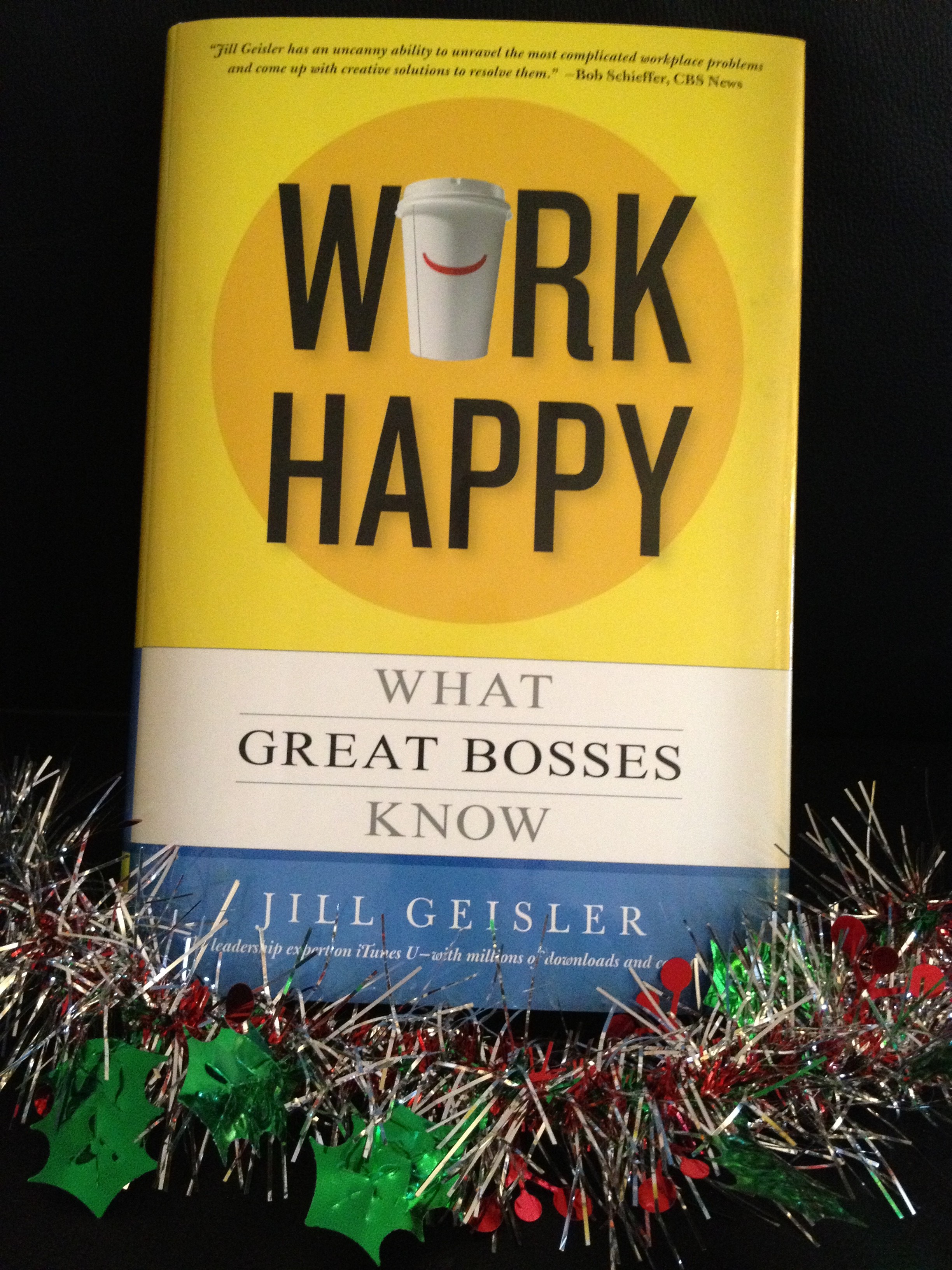 And in case you're thinking of a good holiday gift for a fixer who wants to become a coach, I devote a whole chapter to coaching in "Work Happy: What Great Bosses Know."
 Funny mug, right? I found it at the dollar store and bought it to remind myself how easy it is for managers to persuade themselves they're right. But often, they're not. They find out through evaluations, conversations -- and sometimes confrontations -- that they're doing something wrong.
That's when managers who aspire to be great bosses do something important: they act on the feedback. They take the steps necessary to fix a problem they caused or a behavior that's getting in their way.

Those steps are the topic of my latest column on Poynter.org: When Bosses Fumble: Five Steps for Rebuilding Your Reputation. Just click on this link to read it.
And, for your listening pleasure, here's my companion podcast for the column:
 That might sound like a bold promise -- but I mean it! Our one-day Great Bosses Boot Camp on November 15 will help you develop key management and leadership skills.
We pack a lot into one day because we focus on the topics managers tell us are most important to their success -- some of their biggest challenges that deal with performance management.
Who's welcome at the Boot Camp? Managers from all professions: Business, government, education, non-profits; If you are responsible for the work of other good folks, you're a good fit for this class. Here's a link to info and applications. And there's a bonus: Everyone who takes part in the class gets a copy of WORK HAPPY: WHAT GREAT BOSSES KNOW.
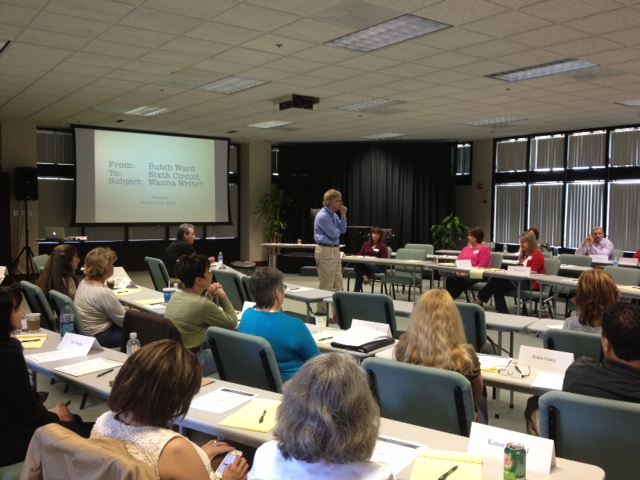
The second bonus: It will take place in a fun and interactive environment at Poynter's wonderful campus in St. Petersburg, Florida.
We'll cover the feedback, motivation, tough conversations, managing time and priorities -- and how great bosses do it right!
 If you want to be a great boss, I suggest you pause and think carefully before using the word "lazy" to describe an employee. I know why you say it. You're frustrated. The employee isn't doing what you want. The person consistently delivers less than expected.
You have to do something about that, but making a character assessment doesn't necessarily help. And that's what calling someone "lazy" really does: assumes their behavior is driven by internal values -- or lack of them.
There may be much more to the story. In fact, you might be part of the problem. Don't get defensive about that; just get smart.
In this column for Poynter.org, I list seven questions managers should ask themselves before declaring an employee "lazy." Just click on this link for the column and podcast.
 Here's your invitation to the Poynter Institute in St. Petersburg, Florida -- for our Great Bosses Boot Camp, November 15, 2013.
Yes, the building is pretty darn attractive and a great place to learn. But we promise you more than palm trees. Our Great Bosses Boot Camp will pack an amazing amount of practical skill-building into one fun and interactive day.
The workshop is open to managers from any field. The skills we teach are some of the most critical for leaders, no matter their profession.
Here's a description of the program from our website:
Great Bosses Boot Camp: Performance Management is a one-day, highly focused and interactive workshop for managers in all fields. You will build your personal leadership skills as well as gain new tools and insights into raising the performance of your staff. Best of all, you’ll be able to put this practical teaching to work immediately.
Poynter’s Great Bosses Boot Camp workshops are fast-paced, using real-world examples and exercises. Participants will also receive a copy of “Work Happy: What Great Bosses Know,” to continue their leadership learning.
In the Great Bosses Boot Camp, you will learn:
© 2026 Work Happy: What Great Bosses Know. All Rights Reserved. Powered by WordPress. Designed by