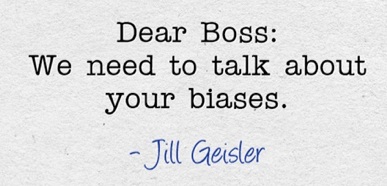
I write this message, knowing it just might offend you -- but it's a risk worth taking. Here goes:
Why talk about biases? Because they are real and we all have them. We're also in denial about them. Research says we think of ourselves as more principled and ethical than we really are. It's human nature.
That's why I wrote a column for Poynter.org that lists six dangerous biases that bedevil managers. I candidly share how a few them affected me and what I learned from them. If you want to build your credibility as a leader, check out
this link for the column and podcast of "Six Dangerous Biases of Bosses."
July 9, 2014
"Jill Geisler", "work happy: what great bosses know", biases, bosses, feedback, journalism, leadership, management
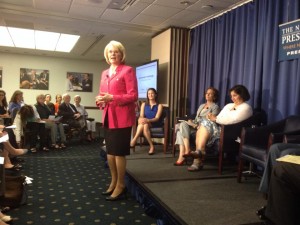
This week, I had the honor of moderating a forum at the National Press Club in Washington, DC. Our focus was on the gender gap in journalism. Women are underrepresented in leadership and management roles and have yet to achieve equity in pay.
These issues aren't exclusive to media -- that's for sure. They affect women in most all professions. Using data and research, we examined the barriers that still exist for women and how to knock them down.
If you'd like to read more about the advice from experts,
click on this link for coverage from Poynter.org. Or
check out this take from the National Press Club's website.
The National Press Club will be posting video of the 90-minute program with leaders of The New York Times, NPR, National Geographic, Politico and McClatchy publications as well.
There's lots of work to be done, so leadership genuinely reflects the whole spectrum of our population.
July 2, 2014
"Jill Geisler", "National Press Club", "work happy", leadership, management, women
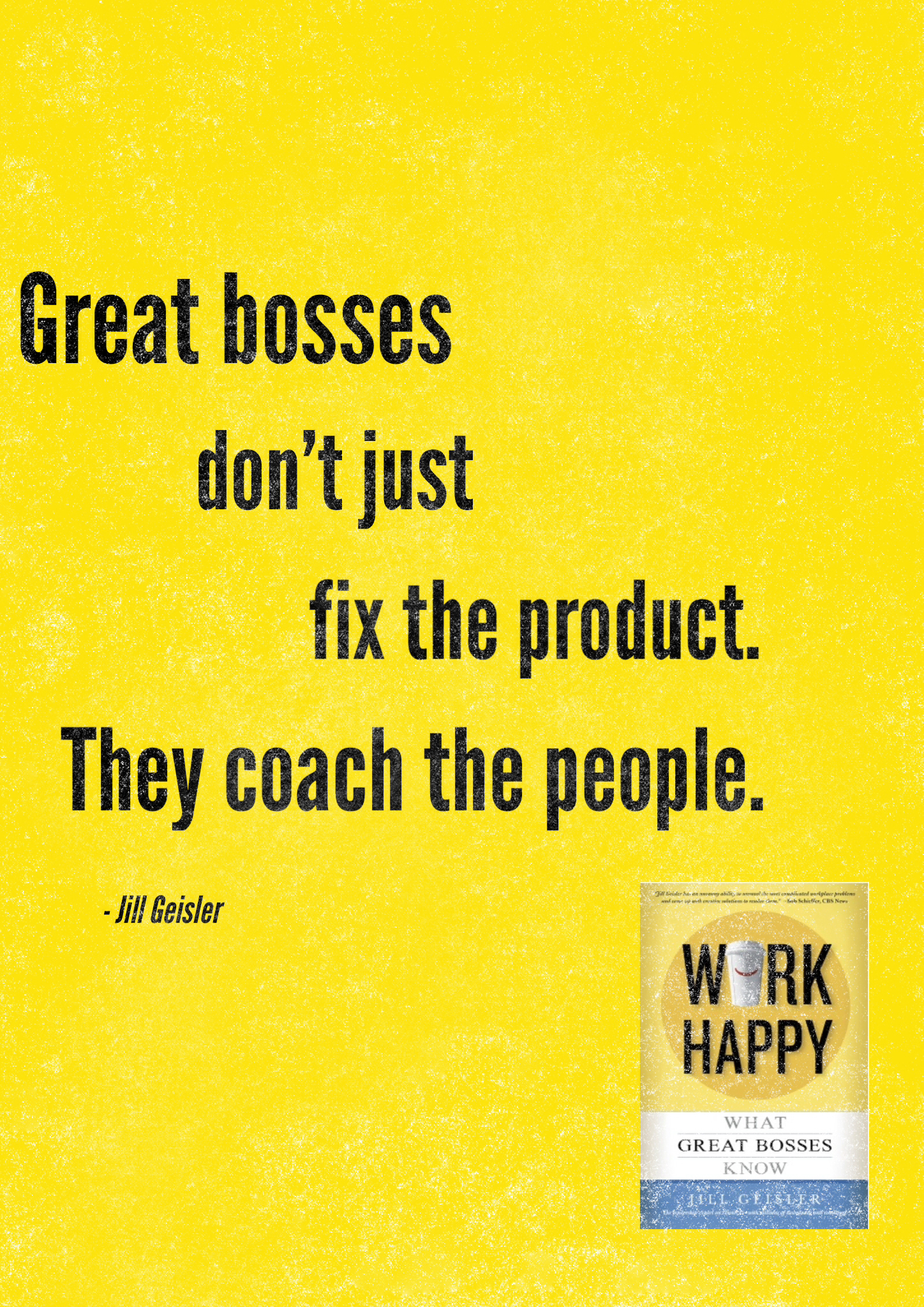
One of the most vexing issues managers face is how to keep quality high. It's key to their job. It's so important that many supervisors make a big mistake: they devote large amounts of their time to
fixing the work of their employees. When something needs to be better, they roll up their sleeves and re-do the work.
They are "fixers."
I know all about fixers. I was a hard core fixer myself, until I learned how damaging it was to my team and to me.
That's why one of the most valuable -- and appreciated -- things I teach in my workshops is how to be a coach instead of a fixer. Believe me, if I could learn it, so can you.
Why managers fix, and what to do about it, is the subject of my latest column on Poynter.org. Just click on this link to read: "
5 Reasons Managers are Addicted to Fixing -- and How to Recover."
June 12, 2014
"Jill Geisler", "work happy", coach, Coaching, fixer, leadership, management, Poynter.org
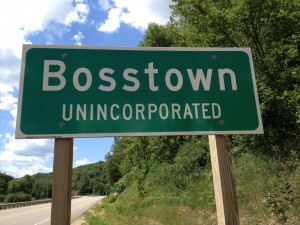
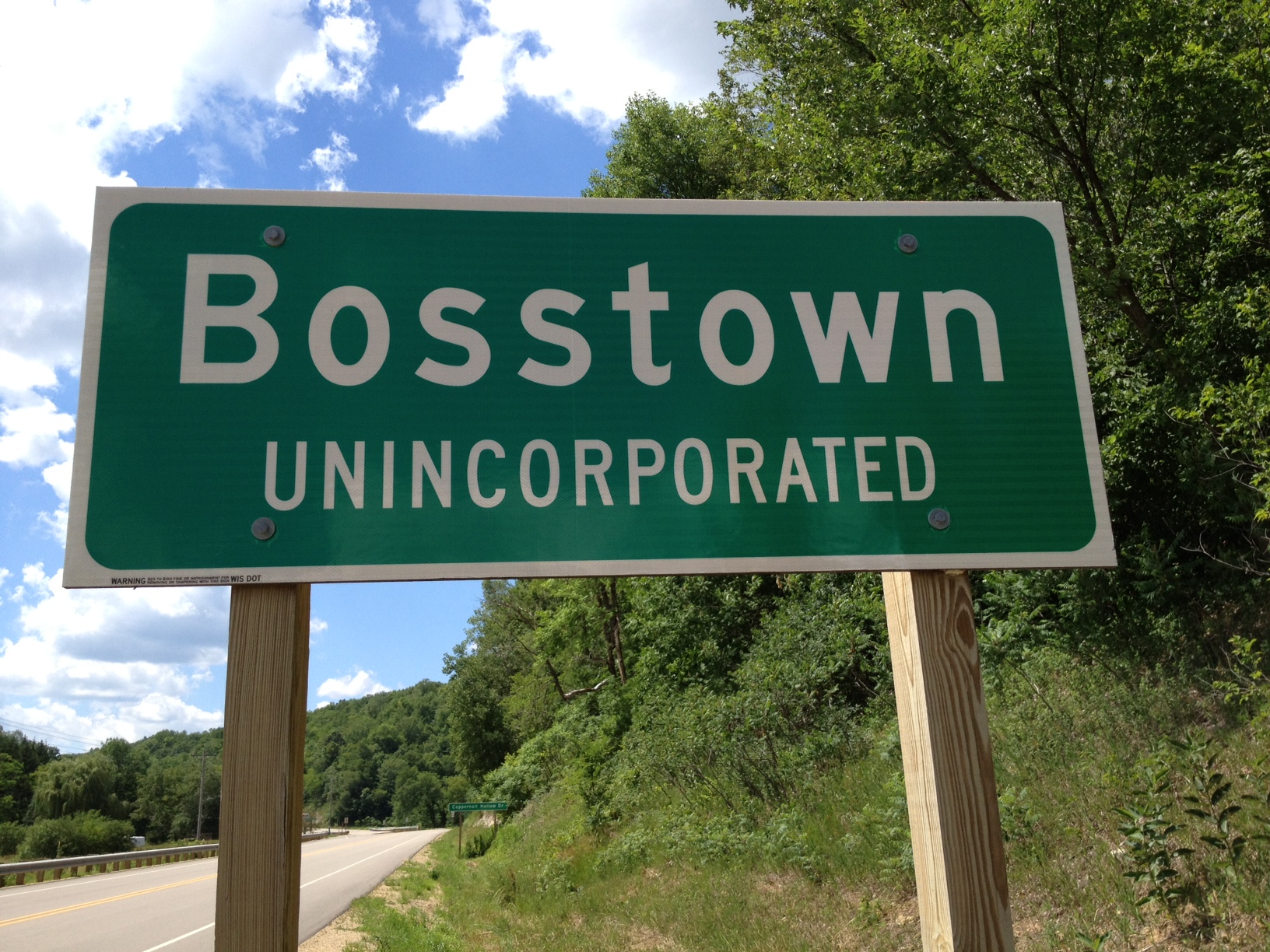
The day I passed through Bosstown, Wisconsin, I had to jump out and take that photo. I knew it could illustrate a number of ideas -- a city of nothing but managers, or maybe a super cool municipality -- or maybe something downright scary. What if "Bosstown" is any place where a bad manager thinks he or she is the most important player on the team, and where everything hinges on his or her moods, preferences and whims.
That's a destructive way to supervise, isn't it? And that leads to the whole topic of management styles. How would you describe yours? More important, how would your employees describe it?
I recently wrote a column called "Just What the Heck IS Management Style, Anyway?" for the Poynter Institute. I did it in the wake of the firing of the editor of the New York Times, ostensibly because of management style issues. My concern is that some bosses don't really understand what that means -- and when they don't, they are likely to get into their own way, as they do their own thing. Their employees will suffer, and so will the boss's reputation and ultimately his or her career.
Management style is a conscious series of choices, built around values and skills. Would you like to read more about it?
Just
click on this link to get to the column and its companion podcast.
May 23, 2014
"Jill Geisler", "management style" column New York Times, "work happy", leadership, management
Smart organizations are always looking at the big picture -- at industry trends, growth potential, competitive threats and business opportunities. But they are also looking at succession planning. What kind of bench are they building when it comes to leadership?
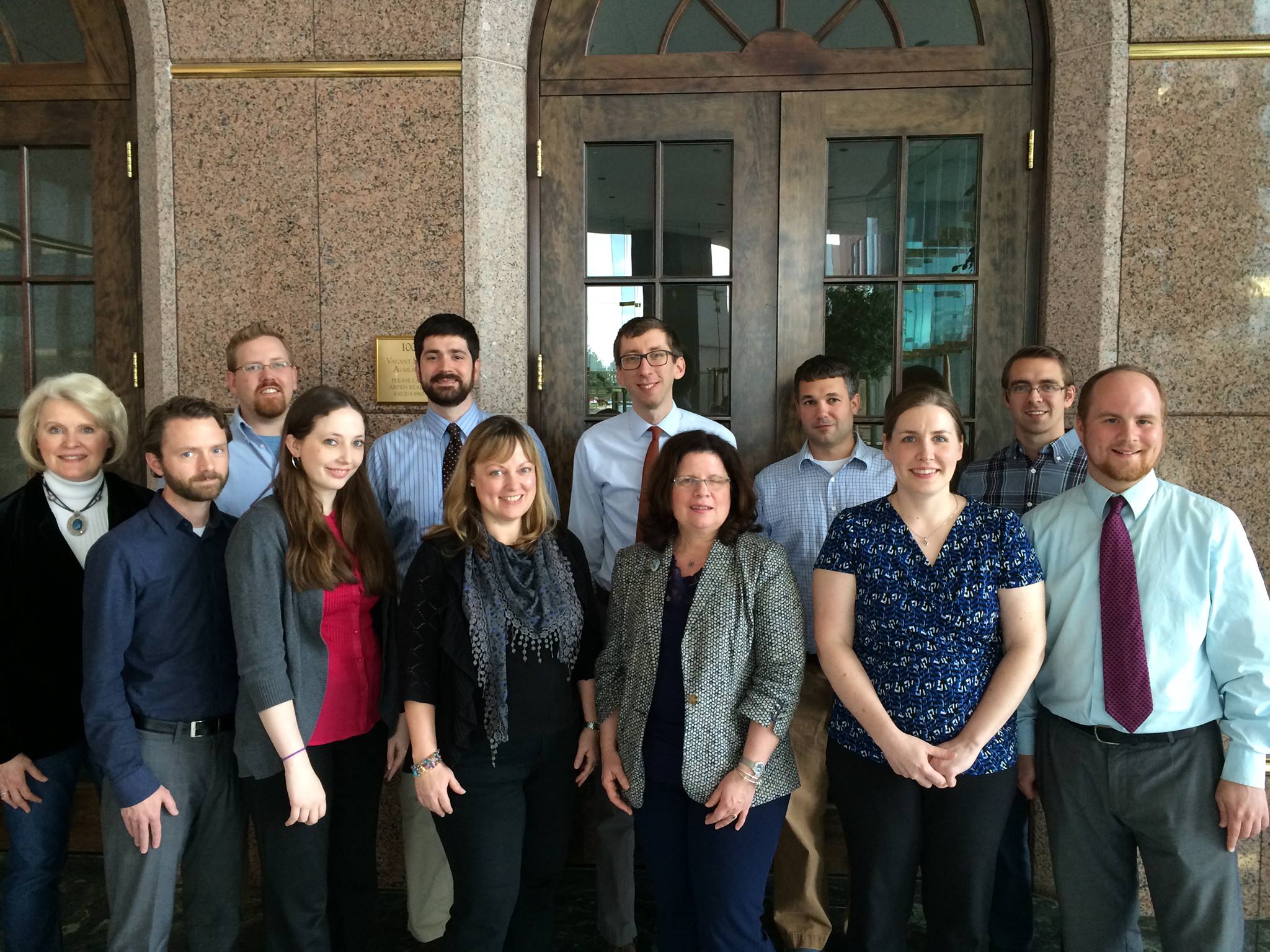
More and more, I'm being asked to work with emerging leaders in organizations. This week I spent time with this good group from GateHouse Media at its Chicago area headquarters.
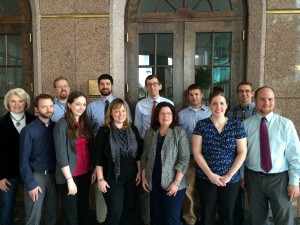
The managers of each of these individuals identified them as people worth grooming for success. Most were already managers, some newer than others, but a few had little supervisory responsibility. They just demonstrated a keen sense of responsibility and concern for the overall success of the organization. That, combined with talent and respect from peers, makes them effective leaders already.
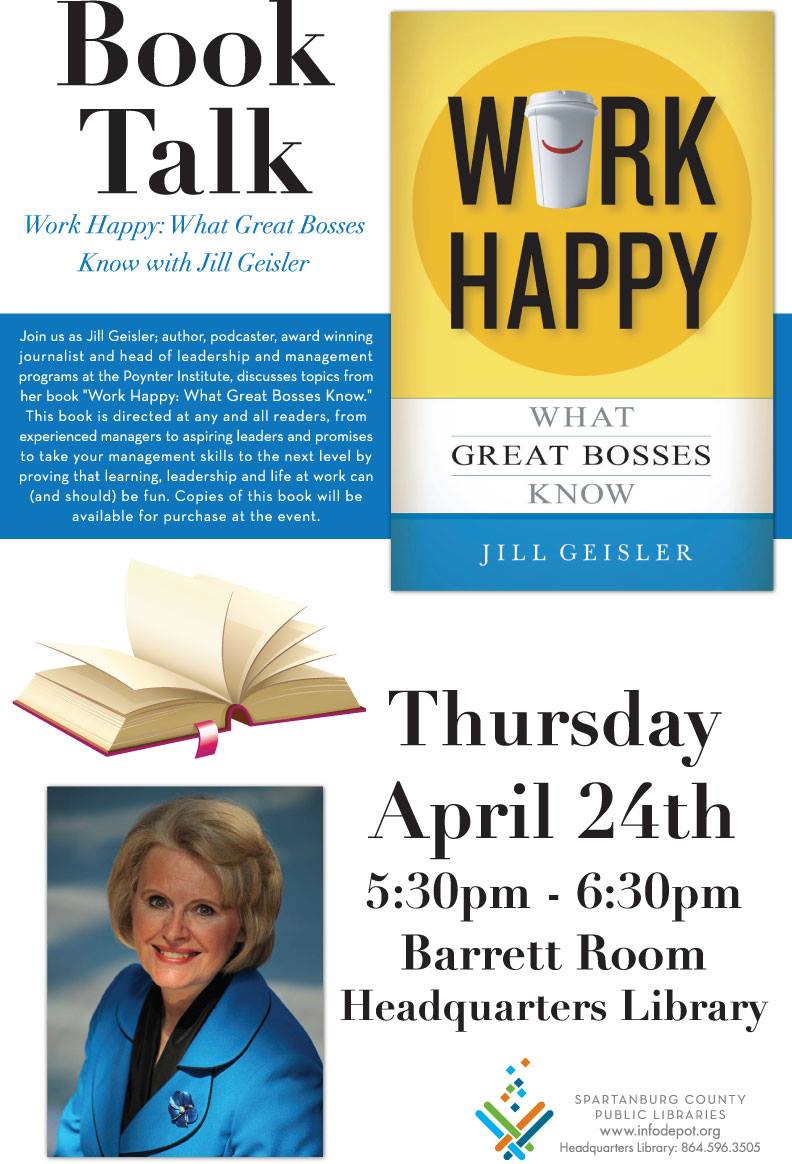
GateHouse calls this program "Rising Stars" -- and shares information about the program with all of its employees. In fact, this poster was highlighted on the company website in advance of the class.
After the class, a GateHouse exec wrote this on the company's website:
April 30, 2014 3:07 p.m.
For 10 of GateHouse Media's rising stars, trainer Jill Geisler offered two days of leadership training that was more than just a download of the latest theories of management. The future leaders learned lessons they could apply right when they returned to their newsrooms.
Geisler, who is head of Poynter's leadership and management programs, covered a range of topics, from how to give effective feedback, how to coach not fix and keys to having a successful difficult conversation.
For any leaders or future leaders, here are some of the lessons that resonated most with the 10 GateHouse participants:
Just click here to read the lessons.
Who are YOUR emerging leaders? How are you helping them become ready for the next step in your organization?
May 1, 2014
"Jill Geisler", "work happy: what great bosses know", leadership, management
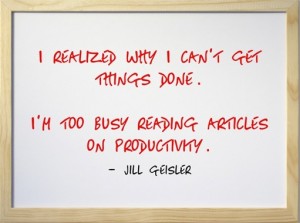
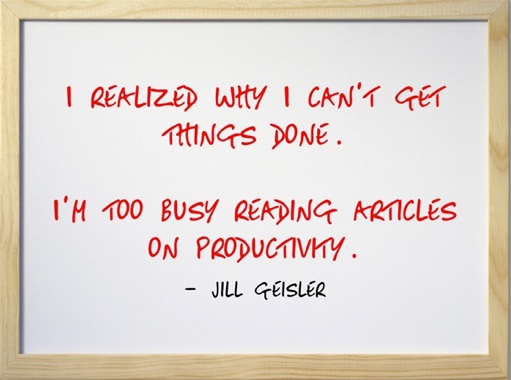
Do you struggle with time management? At the end of each day, do you feel you haven't accomplished what you'd hoped to? I hear so often from managers who feel swamped. I tend to ask them a lot of questions, to get to the root of what is a complex issue for most of us. What kind of questions? How about six of them that should be of help.
I offer them today in this column for Poynter.org. Click on the link to read:
"Six Questions to Help Managers Control Their Time."
April 24, 2014
"Jill Geisler", "time management", "work happy: what great bosses know", leadership, management
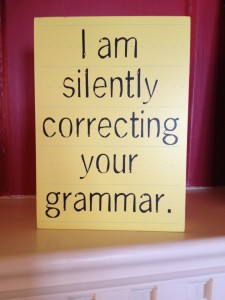
The Associated Press Stylebook is the go-to reference for teachers, writers and journalists. It helps people navigate grammar and usage challenges. It has settled many an argument and more than a few jangled nerves.
So, when the AP makes a change, it can be unnerving to those who have all but memorized the Stylebook's guidelines. This week, the AP announced it was now acceptable to use "over" and "more than" interchangeably when it comes to numbers. Previously, the rule was to use only "more than" in relationship to numbers -- as in "She received more than 50 percent of the votes."
The response from the writing community was remarkably loud. Twitter lit up with comments -- lots of outrage and some hilarious jibes. I found it all fascinating to watch - -from the outrage to those who applauded the change. (Although the complaints greatly outnumbered the commendations, for sure.)
That led me to reflect on what the ruckus was really all about -- and that's the messiness of managing change. For Poynter.org, I wrote a column about the real story behind the outsized response to a small revision in a community's guidebook. Just click on this link and it will take you to: "
And You Thought the AP Ruckus Was about Style." Hope you can apply the lessons to the change you manage in your organization.
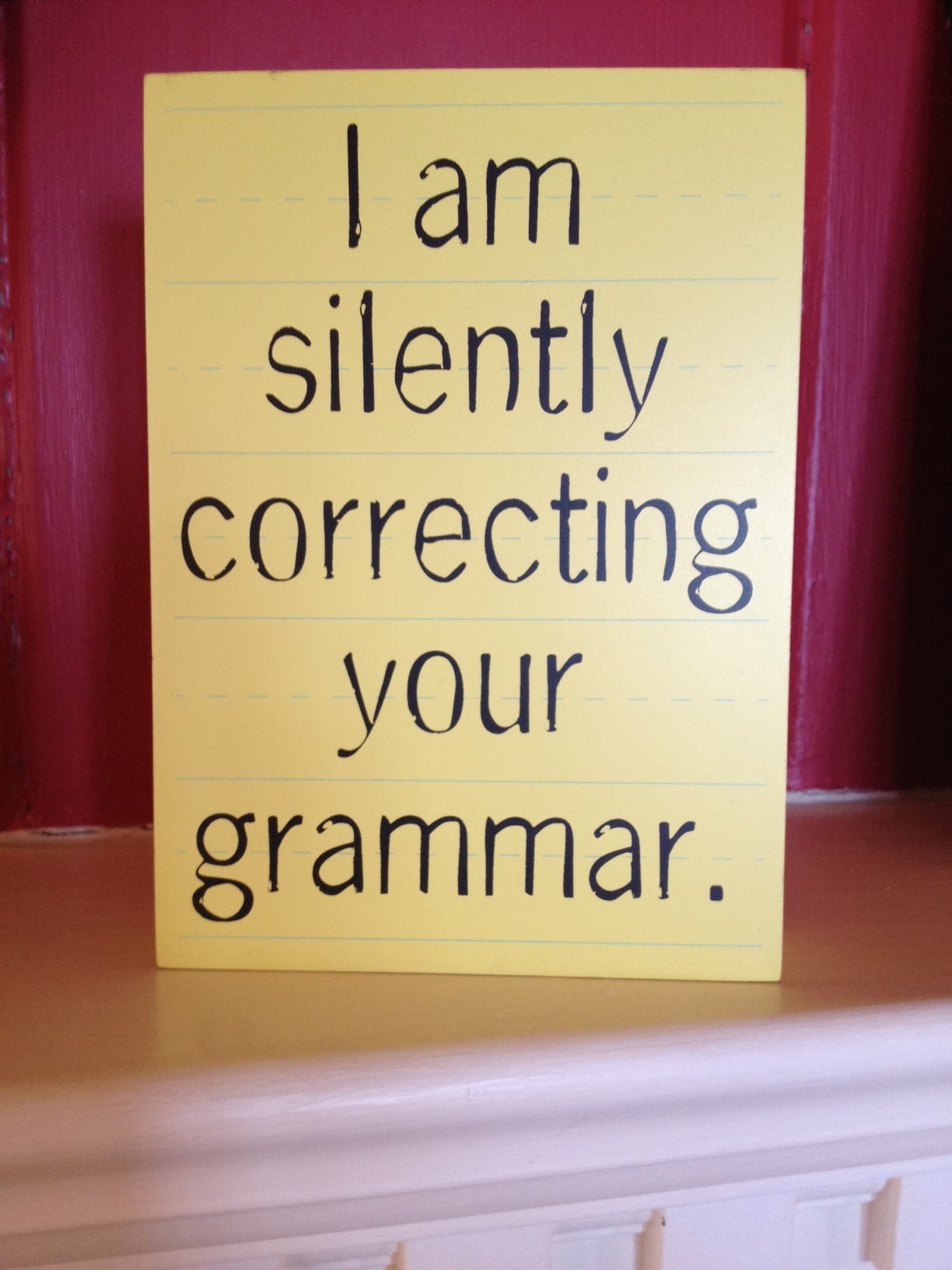
By the way, the picture is of a plaque I have at home. I bought up a dozen of them when I saw them at the store, as gifts for the many people in my world who do exactly what the plaque says -- and not always silently!
March 21, 2014
"Jill Geisler", "work happy: what great bosses know", change, leadership, management