


Great Bosses and Tough Talks
 This is a scene you'll see in most of our leadership seminars. It's practice drill in a session on difficult conversations. In this case, my seminar co-leader Butch Ward is in the role of the manager, and I'm the employee.
We know that most managers come to their jobs without training in having tough talks -- and few of us enjoy doing them. When we ask a class who has a difficult conversation pending right now at work, the majority of managers raise their hands.
That's not entirely surprising. People defer them for a variety of reasons: Not enough time to prepare, too much fear of doing it wrong, too little confidence that things will get better. That's why we practice them in our workshops and seminars, using real-world scenarios relevant to our participants' daily lives. In fact, they dream up the case studies. Butch and I model a few at the start, then turn things over to other to give it a try.
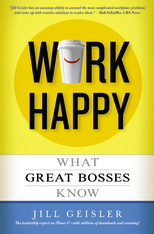 If you are one of those managers who'd like to get better at tough talks, you'll be happy to know that there's an entire chapter dedicated to the topic in "WORK HAPPY: WHAT GREAT BOSSES KNOW."
I share a process for preparing, initiating, conducting, wrapping up and following up on difficult conversations.
But I want to make sure that you are equally proficient at positive feedback. It's the foundation of your strong relationship with staff and it establishes your credibility when you have to approach someone about a problem or concern. You're not just a negative nitpicker.
You're a boss who never misses a chance to share information, reinforce effort, show appreciation, offer encouragement, deliver praise and happily celebrate your team's accomplishments. At the same time, you hold people accountable and let them know where they stand. So yes, there's a chapter on positive feedback as well!
 If you'd like additional resources, feel free to check out the "What Great Bosses Know" podcasts on iTunes U. You'll find free podcasts on feedback of all kinds, along with a library of topics covering the everyday situations managers face.
 There's also a free online course on Poynter's e-learning site, NewsU. Just click on this link to get to my difficult conversations course.
But even if you read the book, listen to the podcasts and take the online course, I strongly 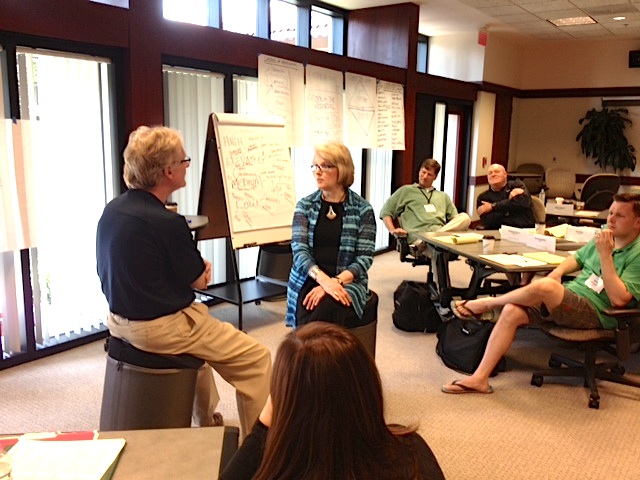 recommend that you test-drive a difficult conversation or two with another manager. If the talk is especially serious or challenging, you might want to ask your supervisor to do a run-through with you. It may seem odd or even hokey at first. But trust me, it helps you avoid surprises and errors.
In fact, people tell us the tough talk practice is among the most useful and practical things they learn in our programs. And it helps them become great bosses.


