Video: Jill’s Advice for New Managers


 Are you an aspiring great boss? Or perhaps you've already been told by staff that you are one of the greats.
If so, good for you! In either case, here's a chance to see if you know the answers to ten questions related to what great bosses know. I drafted this quiz with a combination of serious purpose and a little fun. The questions are multiple choice, and there's really only one right answer for each one.
So, let's see how you do. The ten questions are below -- along with a link to the correct answers along with lots of other resources for you on each of the topics in the questions.
The Great Bosses Quiz:
1. The most effective feedback from managers to employees is:
a. Serious and scary
b. Specific and sincere
c. Sweet and sour
2. Emotional Intelligence is:a. Essential to effective leadership
b. A touchy-feely waste of time
c. An unreleased single by Hall & Oates
3. Micromanagers are:a. Shorter than average managers
b. Rarely appreciated by staff and likely to impede employee growth
c. Beloved by all
4. Managers who are good coaches for staff know their most important tool is:a. The question
b. The whistle
c. The deep breathing exercises
5. Everyone likes money. But it’s important for managers to understand that motivation involves much more than extrinsic rewards like cash. Especially important are intrinsic motivators such as:a. Envy, greed, sloth and gluttony
b. Happy, Sleepy, Grumpy and Dopey
c. Competence, autonomy, purpose and growth
6. When managers apologize, they:a. Sound like wimps
b. Should spread the blame around
c. Gain respect for holding themselves accountable
7. Performance management succeeds when supervisors:a. Set clear expectations and priorities and provide ongoing feedback
b. Leave employees alone to figure things out
c. Use fear and humiliation to keep people on their toes
8. Change initiatives often fail because of:a. Employees who are too lazy to change
b. Bad luck
c. Ineffective leadership regarding the education, emotion, motivation, collaboration and communication involved in change
9. To build a strong, cohesive team, managers should:a. Emphasize shared values and goals, build trust and reinforce cooperation
b. Order people to get along or else
c. Identify enemies in other departments and gang up on them
10. People become great bosses by:a. Strategically sucking up to powerful people
b. Getting an MBA from an impressive school
c. Using their values, skill, power and influence to help others succeed
Think you have the right answers? Click here to the full column on Poynter.org to find out!
Anna invited me to sit down for an interview about managing personalities. Here's a clip from our conversation:
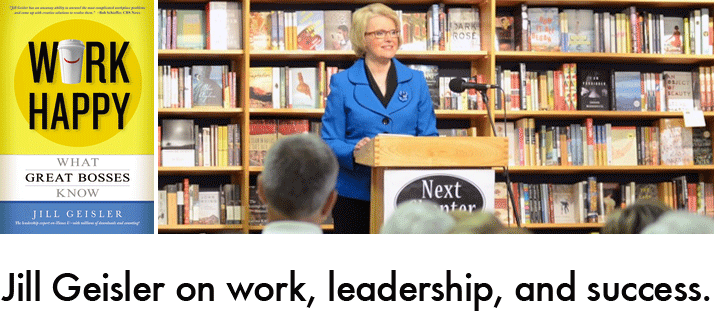
By the way, there's a whole chapter on managing personalities in "Work Happy: What Great Bosses Know."
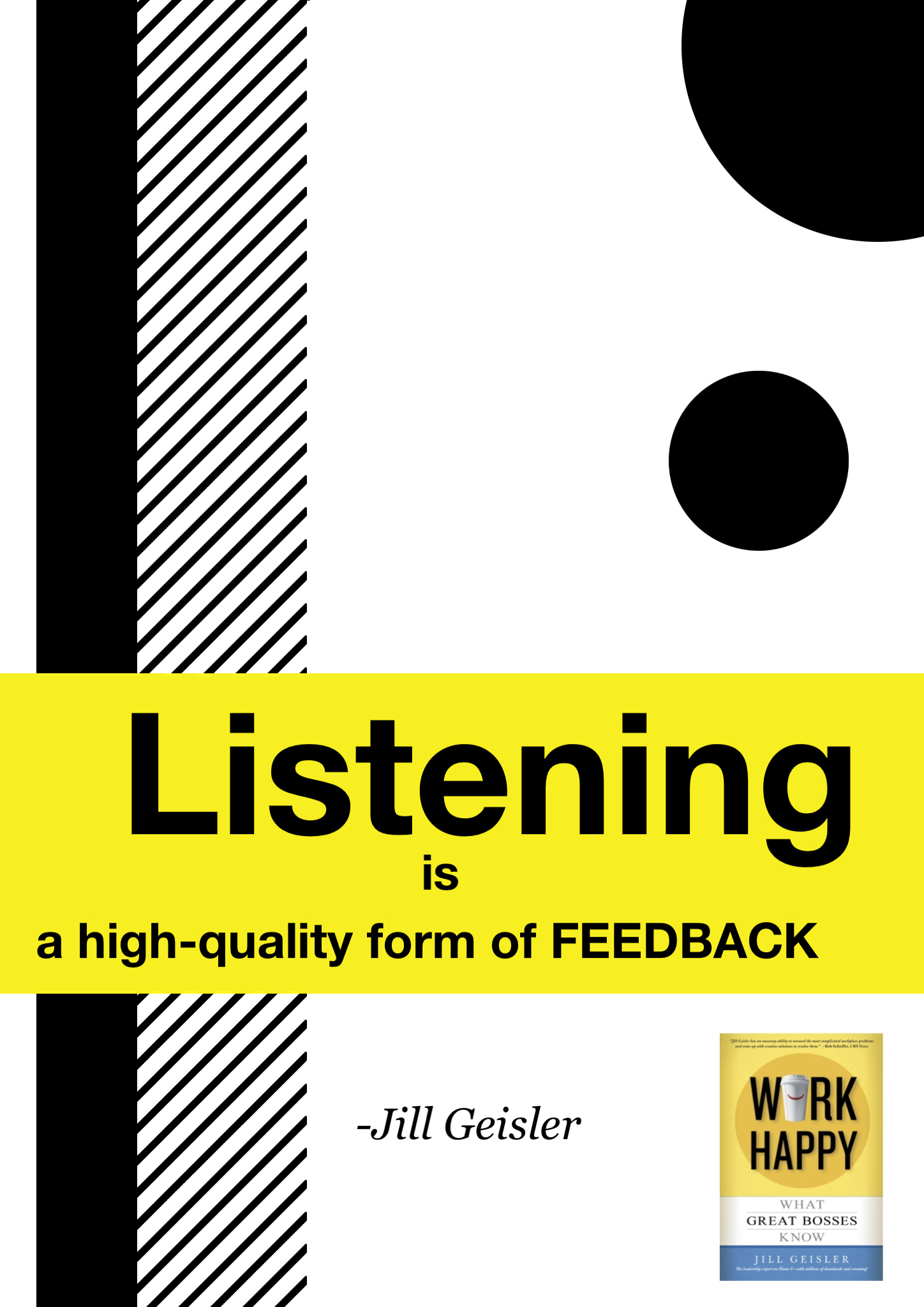 I love teaching about feedback, because it is integral to effective leadership and to performance management. We usually think of feedback as the messages managers share, positive and negative, and the way they are delivered.
That's true, but it's only part of the feedback story. I think listening is an especially powerful form of feedback. How does a person feel when he or she is truly listened to? When someone in power takes time to take in the thoughts and feelings of others? It's an important way to say "You matter." "Your ideas are valued." "I understand."
And here's the bonus: Listening costs us nothing, but can have a great return on investment.
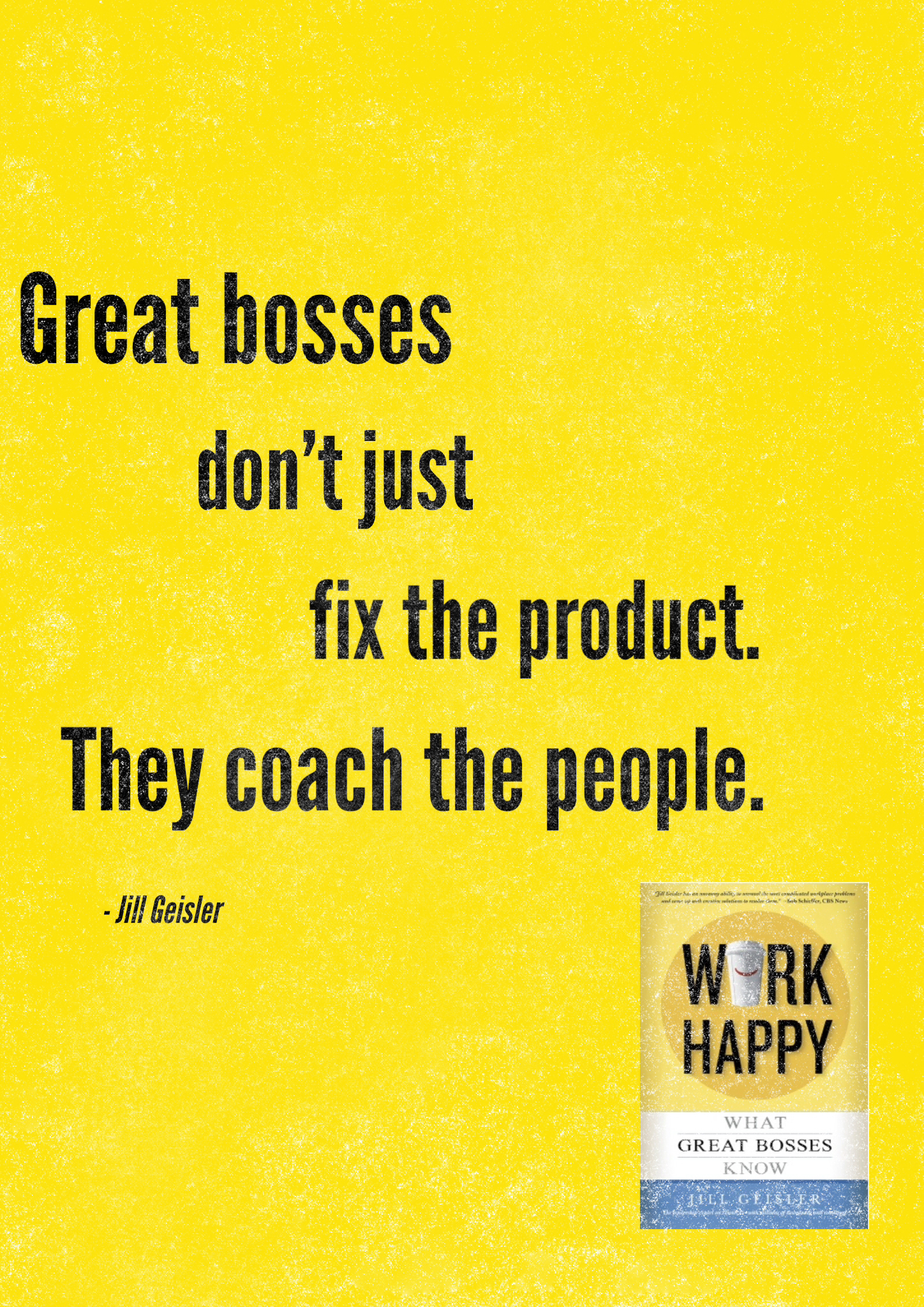 It's a manager's responsibility to keep the quality of products and services high. One of the biggest mistakes managers make is to do it by "fixing" the work of others. They jump in and change things, or even do the work themselves. They do it because it's a quick solution.
Here's the problem, though. "Fixing" is a temporary solution to an ongoing issue. Your employee or staff isn't really learning when you "fix." If anything, they are learning to rely on you to upgrade things to your satisfaction, while not growing in their skills.
That is why it's so important to "coach" instead of "fix."
When you coach people, you teach them the skills they need to improve. You analyze the work that needs to be done. You break it down into its key parts. You even name those parts and describe what quality looks like and how it's achieved.
It takes a little time to coach people, but it's well worth the effort, because it's a long-term solution rather than a band-aid.
Want to learn more about coaching? Here's a link to one my Poynter columns with plenty of tips.
 And in case you're thinking of a good holiday gift for a fixer who wants to become a coach, I devote a whole chapter to coaching in "Work Happy: What Great Bosses Know."
© 2026 Work Happy: What Great Bosses Know. All Rights Reserved. Powered by WordPress. Designed by